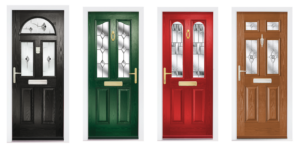
Cost-Effective Door Repairs: A Comprehensive Guide
Doors are an important part of any home, serving both functional and visual functions. Over time, however, they can struggle with wear and tear, resulting in problems that range from small inconveniences to significant security issues. Fortunately is that many door repairs can be managed cost-effectively, conserving house owners both time and money. This short article will direct you through the process of recognizing typical door problems, understanding the costs included, and performing repairs that are both effective and economical.
Recognizing Common Door Issues
Before diving into the repair procedure, it's necessary to recognize the particular problems your door is dealing with. Here are some common problems and their symptoms:
Sticking or Binding Doors
- Symptoms: The door is hard to open or close, or it does not latch properly.
- Causes: Warping, misalignment, or inflamed wood.
Spaces Around the Door
- Symptoms: Drafts, cold air, or light coming through the spaces.
- Causes: Loose or damaged weatherstripping, spaces in the frame.
Loose or Damaged Hinges
- Symptoms: The door droops, or the hinges are noisy.
- Causes: Loose screws, damaged hinges, or damaged hinge plates.
Broken Locks or Latches
- Signs: The door will not lock, or the lock is stuck.
- Causes: Worn-out systems, damaged components, or improper installation.
Cracked or Damaged Panels
- Symptoms: Visible fractures, chips, or dents in the door surface.
- Causes: Impact damage, weather exposure, or poor maintenance.
Understanding the Costs
The cost of door repairs can vary widely depending on the degree of the damage and the products required. Here's a breakdown of normal expenses for numerous repairs:
Sticking or Binding Doors
- Materials Needed: Wood filler, sandpaper, lube.
- Expense: ₤ 5 - ₤ 20.
- Labor: DIY (totally free) or professional (₤ 50 - ₤ 100).
Spaces Around the Door
- Materials Needed: Weatherstripping, caulk.
- Cost: ₤ 10 - ₤ 50.
- Labor: DIY (complimentary) or professional (₤ 50 - ₤ 100).
Loose or Damaged Hinges
- Materials Needed: New screws, lube, replacement hinges.
- Cost: ₤ 10 - ₤ 30.
- Labor: DIY (complimentary) or professional (₤ 50 - ₤ 100).
Broken Locks or Latches
- Materials Needed: New lock or lock mechanism.
- Cost: ₤ 20 - ₤ 100.
- Labor: DIY (totally free) or professional (₤ 100 - ₤ 200).
Cracked or Damaged Panels
- Products Needed: Wood filler, paint, or a new door panel.
- Cost: ₤ 20 - ₤ 200.
- Labor: DIY (complimentary) or professional (₤ 100 - ₤ 300).
Step-by-Step Guide to Cost-Effective Door Repairs
Sticking or Binding Doors
- Step 1: Identify the cause. Look for warping, misalignment, or swollen wood.
- Step 2: Apply wood filler to any gaps or cracks.
- Action 3: Sand the door surface area to guarantee a smooth finish.
- Step 4: Apply a lubricant to the hinges and lock system.
Spaces Around the Door
- Action 1: Remove old weatherstripping or caulk.
- Step 2: Measure the spaces and cut the new weatherstripping to size.
- Action 3: Install the weatherstripping along the gaps.
- Step 4: Apply caulk to any remaining spaces for a seal.
Loose or Damaged Hinges
- Step 1: Remove the old screws and clean the hinge holes.
- Step 2: Use longer screws to secure the hinges more strongly.
- Step 3: Apply a lubricant to the hinges to reduce noise.
- Step 4: If essential, change the hinges with brand-new ones.
Broken Locks or Latches
- Action 1: Remove the old lock or latch mechanism.
- Action 2: Measure the dimensions of the brand-new system.
- Action 3: Install the brand-new lock or latch, guaranteeing it is aligned correctly.
- Step 4: Test the lock to guarantee it functions properly.
Split or Damaged Panels
- Step 1: Remove any loose or damaged wood.
- Action 2: Apply wood filler to the damaged locations.
- Action 3: Sand the filled locations to a smooth finish.
- Step 4: Paint or stain the repaired locations to match the rest of the door.
Frequently asked questions
Q: Can I repair a door myself, or should I hire a professional?
- A: Many door repairs can be managed DIY, especially for minor concerns like sticking doors or gaps. However, for more intricate issues like broken locks or substantial damage, working with a professional might be more cost-effective and ensure an appropriate repair.
Q: How often should I examine my doors for maintenance?
- A: It's a good concept to inspect your doors a minimum of when a year for signs of wear and tear. Regular maintenance can assist avoid small issues from ending up being significant issues.
Q: What are some preventive measures to prevent door repairs?
- A: Keep your doors well-kept by regularly lubricating hinges, examining weatherstripping, and attending to any minor problems without delay. In composite door hinge replacements , ensure proper ventilation to avoid warping and swelling.
Q: Can I use any type of wood filler for door repairs?
- A: It's best to utilize a wood filler that is specifically designed for the kind of wood your door is made from. This will make sure a better match and a more durable repair.
Q: How can I tell if my door is beyond repair and needs replacement?
- A: If your door has comprehensive damage, such as big cracks, substantial warping, or numerous stopped working repair efforts, it may be more cost-effective to replace it. A brand-new door can likewise improve energy performance and security.
Cost-effective door repairs are within reach for the majority of house owners, offered you have the right tools and a bit of persistence. By identifying typical problems, understanding the expenses involved, and following a step-by-step guide, you can keep your doors in excellent condition without breaking the bank. Regular maintenance and timely repairs will not only enhance the functionality and look of your doors however likewise contribute to the general value and security of your home.